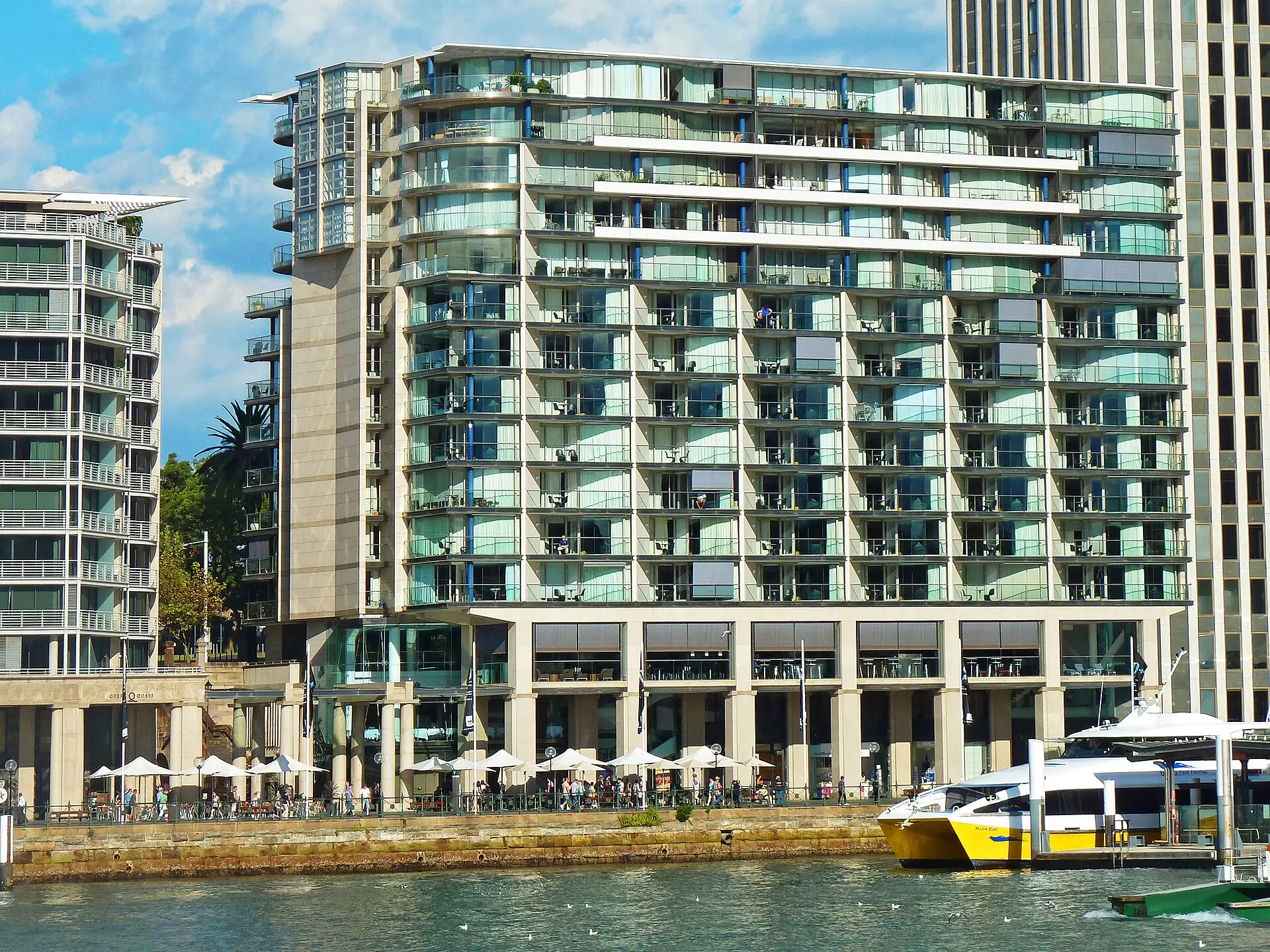
FORT LAUDERDALE, Fla. — A concrete restoration job at the Galleon, an oceanfront condominium on Fort Lauderdale’s Galt Ocean Mile, has grown from $1.6 million to about $36 million over five years, residents told CBS News Miami in a report published October 6, 2026. Unit owners have been assessed between $135,000 and $320,000 each.
Work is still going on across several floors, according to the station, and the pool and patio have been stripped back to a concrete platform.
Owners say quality is still a problem
Sergio Cella, a pilot and mechanical engineer who has lived at the Galleon for 30 years, told CBS News Miami that contractors had tried three times to fix cracking on his 14th-floor balcony. “The quality is not there,” he said. “It’s not questionable. It’s despicable.”
The contractor, identified by the station as Hartzel, defended the work in a written statement. “The original contract covered the limited scope of structural restoration work,” an executive said. “As construction progressed, the association elected to significantly expand the project through numerous owner-approved change orders and additional contracts.”
A board in turmoil
CBS News Miami reported recalls, lawsuits and resignations on the board. When the station reached the board president by phone, he dismissed the complaints: “You are being had. These are people who can’t afford to live on the ocean.” He then hung up. The station reported that he has since sold his unit and resigned.
Edward Rumin, a lawyer and former board member, said owners had gone along with earlier assessments. “We were run roughshod over, not told things, and lied to,” he said. “Nobody likes assessments. We didn’t like the numbers, but we went along with them. Until things got out of control and snowballed.” He told the station he did not expect owners to get any of the money back.
Part of a wider Florida pattern
Large restoration projects have become common in Florida since the 2021 collapse of Champlain Towers South in Surfside, which killed 98 people and led to state milestone inspection and reserve funding rules. Under section 553.899 of the Florida Statutes, condominium and cooperative buildings three habitable stories or more must have a milestone structural inspection, generally by 30 years of age and every 10 years after. Many inspections have led to repair programs that run far beyond the first estimate.
We have not independently reviewed the Galleon’s contracts, change orders or board minutes. The figures above are as reported by CBS News Miami.
What it means for owners and boards
Change orders are where budgets grow. The contractor’s account and the owners’ account disagree about why the Galleon’s cost rose, but both point to the same place: scope added after the original contract. Boards should require a written explanation of every change order, its cost, who recommended it and whether the engineer of record approved it. Owners have the right to inspect association records. Ask for them.
Get the engineer working for the association, not the contractor. An independent engineer who designs the scope, inspects the work and signs off on pay applications is the main protection against both overruns and poor workmanship. Repeated failed repairs, like the balcony Cella described, should be documented and raised in writing with the engineer and contractor before the next payment is released.
Report to owners regularly. Much of the anger at the Galleon, as described to CBS, is about not being told. A short monthly update with the budget, spending to date, approved change orders and the schedule costs little and builds trust. Boards that stop communicating usually face recalls.
Plan the money before the work. Six-figure special assessments are a sign that reserves were far below what the building needed. Our guides to special assessments and reserve studies explain how to spot the gap early, and our report on Florida’s 2026 SIRS rule changes covers the current reserve requirements.
Buyers: before you buy in an older Florida building, ask for the milestone inspection report, the structural integrity reserve study, recent board minutes and the estoppel certificate, which must show approved special assessments. See our estoppel certificate guide.
Sources: CBS News Miami, Joan Murray, October 6, 2026; Florida Statutes §553.899.