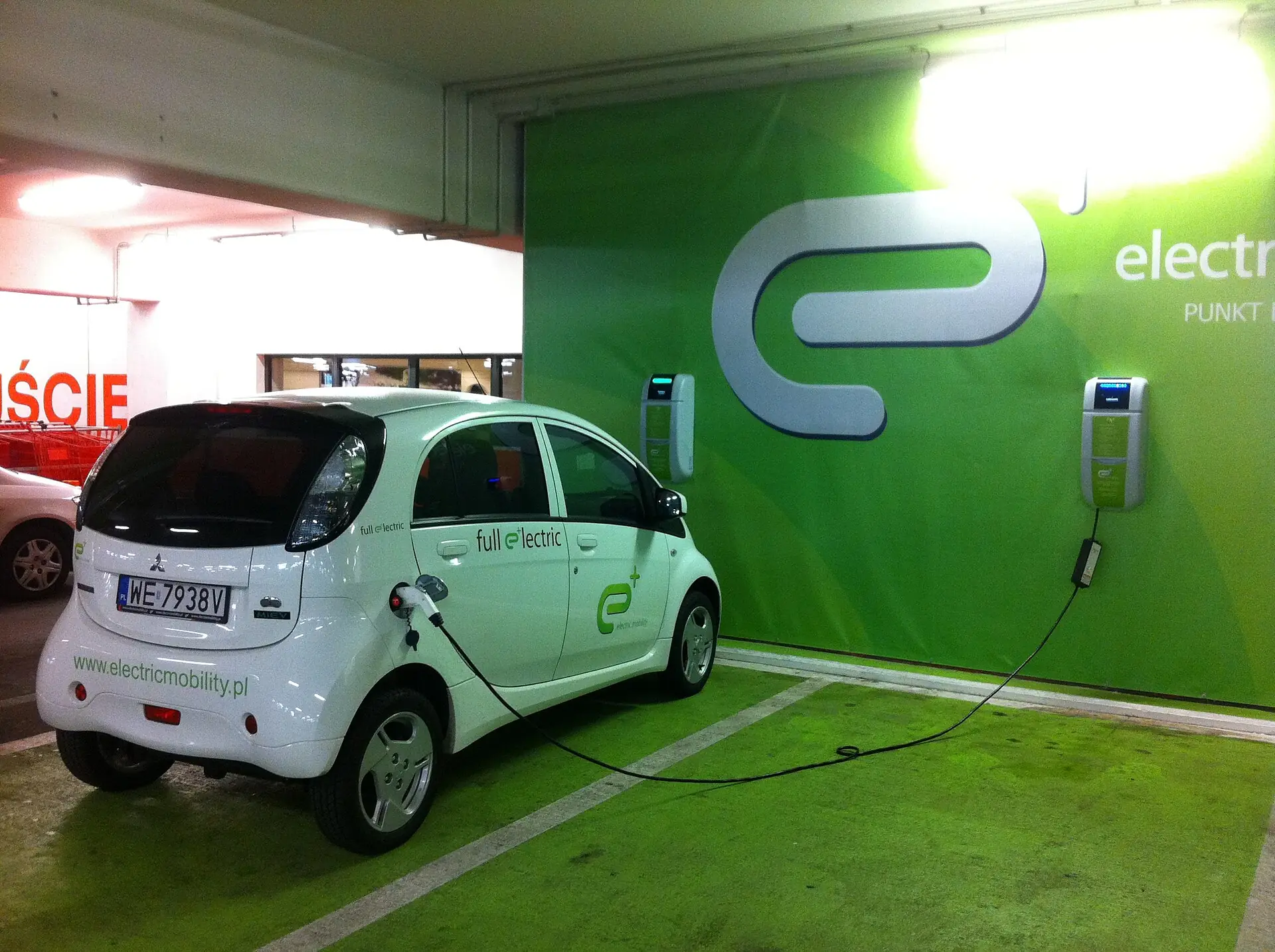
SYDNEY — NSW apartment owners will get a legal right to install an electric vehicle charger on their own lot. The right is part of the strata reform package that passed NSW Parliament in mid-October 2026, but owners will have to wait. NSW Fair Trading lists it among the changes “planned to start in 2027”.
What the reform does
According to the NSW Government’s guide to strata law changes, the 2027 reforms include “establishing a right for owners to install electric vehicle (‘EV’) charging infrastructure on their lot.” The Law Society Journal reported that owners will be able to install chargers on their own lot “without unreasonable objection from their strata committee.” The Institution of Surveyors NSW described it as giving owners “greater rights to install electric vehicle charging infrastructure within their lots.”
The key words are “on their lot”. In many buildings the parking space is part of the lot, but the cabling, switchboard and meters run through common property. Detailed rules on how that will be handled, including who pays, how the electricity is metered and what conditions a committee may impose, have not been published. Until the government sets a start date and publishes the detail, existing rules apply.
What already applies today
Owners are not starting from zero. Since 1 July 2025, NSW strata law has:
- banned by-laws that prohibit sustainability infrastructure because it affects the look of common property or the owner’s lot, unless the building is heritage-listed or in a heritage conservation area;
- required every AGM agenda to include an item on environmental sustainability in the scheme;
- required owners corporations to consider the cost of sustainability infrastructure when they set capital works fund estimates;
- applied the three-year limit on utility agreements to all utility contracts, expressly including EV charging.
Fair Trading also lists a separate 2027 change that may matter for EV owners: a ban on embedded network providers charging owners corporations for infrastructure when an exclusive supply agreement ends.
What it means for owners and committees
Owners who want a charger now: you still need approval for work that touches common property, usually through a by-law or a committee decision under the minor renovation rules. Get a quote from a licensed electrician that shows the route of the cabling, how the power will be metered to your lot, and whether the building’s supply can take the load. A clear proposal is much easier to approve.
Committees: use the gap before 2027 to plan. Commission a load assessment for the car park and decide whether the building wants a shared backbone that individual chargers plug into, or one-off installations. A shared system is usually cheaper per space and stops the switchboard becoming a tangle of private circuits. Put it on the AGM agenda under the sustainability item, which you already have to include.
Buyers: ask the agent whether the building has an EV charging plan or a by-law in place, and whether the car space is part of the lot. Both affect what you will be able to do when the new right starts.
Large capital projects like this usually show up in the levies. Our reserve and capital works guide explains how to plan them.
Sources: NSW Government guide to strata law changes, updated 26 October 2026; Law Society Journal, 19 October 2026; Institution of Surveyors NSW, 27 October 2026. General information only, not legal advice.