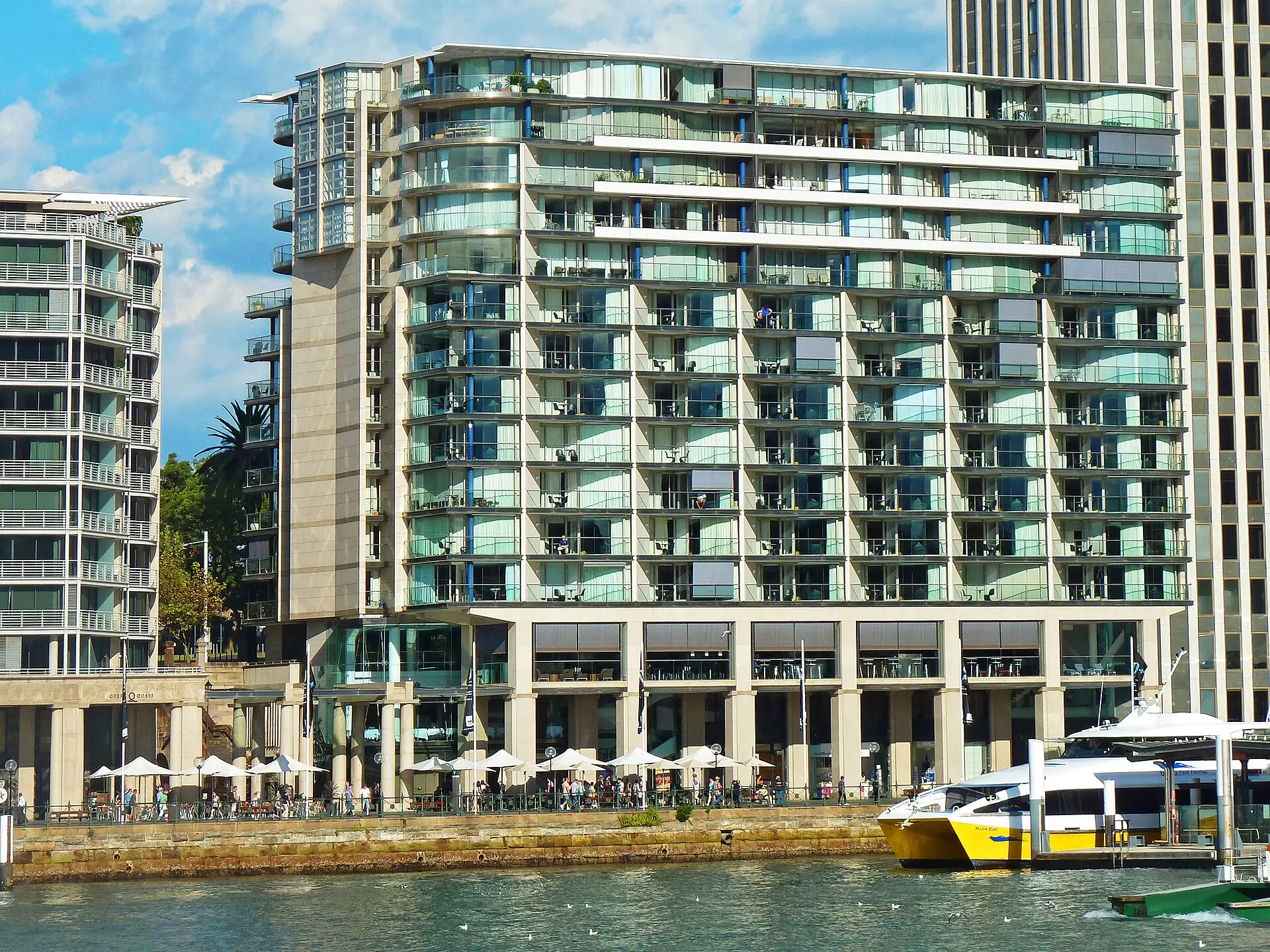
Florida and New South Wales both had condominium disasters that shook their housing markets. In June 2021, Champlain Towers South in Surfside partially collapsed and 98 people died. In Sydney, cracks at Opal Tower on Christmas Eve 2018 and at Mascot Towers in June 2019 forced residents out of brand-new buildings. The two places responded very differently. Florida put the burden on owners of ageing buildings: inspect, plan and save. NSW went after the people who build new apartments: designers, builders and developers. Each approach answers a question the other has not fully answered.
This article compares the two systems on four questions every owner and board should ask: how defects are caught, who pays, how insurance fits in, and what protects owners. A comparison table and practical lessons for each side follow.
Two crises, two different problems
Surfside was about age and deferred maintenance. The building was about 40 years old and had documented structural damage. Repairs had been discussed for years without being funded. Florida’s lawmakers concluded that associations were not inspecting their buildings and were not keeping enough money in reserve to fix what inspections would find.
Opal and Mascot were about new buildings with construction defects. Opal Tower, at Sydney Olympic Park, was only months old when residents were evacuated. In NSW the main fear was not neglect by owners. It was that buildings were being designed and built badly, and that owners could not recover the cost from developers and builders who had moved on. Opal Tower’s repair saga formally ended in October 2026, when the building was declared defect-free and backed by a 20-year structural warranty (our report).
That difference shaped everything that followed.
Florida: inspect, report and fund reserves
Milestone inspections (§553.899)
Under section 553.899, Florida Statutes, condominium and cooperative buildings three storeys or taller need a milestone inspection by December 31 of the year the building turns 30, and every 10 years after that. A licensed engineer or architect does phase one, a visual examination. If phase one finds substantial structural deterioration, a phase two inspection with testing follows. The association must give the inspector’s summary to every owner and post it, and local building officials can enforce repair deadlines.
Structural Integrity Reserve Studies (§718.112(2)(g))
The second pillar is the Structural Integrity Reserve Study (SIRS) in section 718.112(2)(g). Associations with buildings three storeys or higher must study eight components: roof, structure and load-bearing walls, fireproofing and fire protection, plumbing, electrical, waterproofing and exterior painting, windows and exterior doors, and any other item costing more than $10,000 whose failure would harm those elements. They must then fund reserves for those items. Owners can no longer vote to waive or reduce reserves for SIRS items. The Florida DBPR set the deadline for the first SIRS at December 31, 2025. Associations completing a milestone inspection in 2025 or 2026 can finish the SIRS with it, by December 31, 2026 at the latest. DBPR now runs a public SIRS reporting database.
The 2024 and 2025 follow-up laws eased the impact. Associations can now fund required repairs with lines of credit or loans instead of cash, and pausing reserve contributions is allowed in some cases after a milestone inspection. The core logic is unchanged: owners pay, and they pay up front. Our SIRS explainer covers the details.
What it costs
The bills arrive as special assessments. Florida accounts for many of the cases in our special assessment coverage. At the Galleon in Fort Lauderdale, a roughly $36 million concrete project means assessments of $135,000 to $320,000 per unit. Miami-Dade County runs a zero-interest loan program of up to $50,000 per owner for condo assessments. That a county needs such a program shows how heavy the costs are.
NSW: regulate the builder, protect the buyer
A building regulator with teeth
NSW appointed a Building Commissioner in 2019. In 2023 the government set up Building Commission NSW as a dedicated regulator. Its main tool is the Residential Apartment Buildings (Compliance and Enforcement Powers) Act 2020, known as the RAB Act, which commenced on September 1, 2020. Developers must notify the regulator before applying for an occupation certificate. The regulator can inspect buildings under construction and can issue:
- Prohibition orders, which stop an occupation certificate being issued or a strata plan being registered while serious defects remain.
- Building work rectification orders, which force developers to fix serious defects.
A “serious defect” covers the failures that matter most to owners: the building’s structure, waterproofing, fire safety systems, the building enclosure (including cladding), and essential services.
Accountable designers
The Design and Building Practitioners Act 2020 requires registered designers and builders to declare that plans and as-built work comply with the Building Code of Australia. It also created a statutory duty of care that owners and owners corporations can sue on. That duty runs from builders, designers, engineers and others to current and future owners, and cannot be contracted away.
The 2% defects bond
Before the RAB Act, NSW already had the strata building bond and inspections scheme. For residential buildings of four or more storeys, with contracts signed from January 1, 2018, the developer lodges a bond of 2% of the contract price. Independent inspectors report on defects between 15 and 18 months after completion and again before the two-year mark. The bond pays for defects the builder will not fix. Separately, statutory warranties give owners six years for major defects and two years for other defects.
Cladding and the 2026 strata reforms
NSW has also had to deal with buildings already finished. Its Project Remediate program offers owners corporations interest-free loans to replace combustible cladding. A 2021 audit identified 338 high-risk buildings. The program now runs to 2027. Owners still pay, and some levies are very large: in Pyrmont, a one-bedroom owner faced a levy of about A$70,000 after the building’s bill doubled to A$14 million. Since 2025 and 2026, strata reforms have addressed managers, transparency and how owners corporations work; see our NSW strata reforms 2026 explainer.
Who pays?
In both places, owners pay for maintaining what they already own. A Florida association must levy for SIRS items. A NSW owners corporation must keep a capital works fund and must repair common property, and it can raise special levies by ordinary resolution with proper notice. Our Special Assessment Tracker shows big bills on both sides: waterproofing levies of A$52,500 per owner in North Strathfield, and US$26,000 roofing assessments in California.
The difference is defects in new buildings. In NSW, the law sends that cost back up the chain to the developer’s bond, the builder’s warranty, the designer’s duty of care, and rectification orders. In Florida, owners of a newer building with construction defects generally rely on contract and construction-defect claims, which are slow, expensive and limited by time limits. There is no state-held bond.
How defects are caught
Florida catches problems late but on a schedule: at 30 years, then every 10. NSW tries to catch them early, during construction and in the first two years, through regulator audits, declared designs and bond inspections. Neither system guarantees regular structural checks in the middle years of a building’s life. NSW has no Florida-style milestone inspection for a 30-year-old tower. Florida has nothing like the RAB Act’s power to block occupation of a defective new building.
Insurance
In both systems the association insures the building, and owners insure contents and their own fit-outs. In Florida that means an HO-6 policy. Building insurance does not pay for wear, deterioration or most construction defects, so it is no substitute for reserves. Insurance costs are also driving fees up on both sides. At Mittagong in regional NSW, quarterly levies rose from about A$800 to A$4,600, largely because of insurance. In Florida, hurricane-exposed associations have faced similar increases. In NSW, home-building compensation cover generally does not apply to buildings over three storeys, which is why the bond and the statutory duty matter so much there.
Side-by-side comparison
| Florida (post-Surfside) | NSW (post-Opal/Mascot) | |
|---|---|---|
| Main concern | Ageing buildings, deferred maintenance | Defects in new buildings |
| Key law | §553.899 milestone inspections; §718.112(2)(g) SIRS | RAB Act 2020; Design and Building Practitioners Act 2020; Strata Schemes Management Act 2015 |
| When defects are caught | At 30 years, then every 10 years | During construction; 2-year bond inspections |
| Regulator power | Local building officials enforce repairs; DBPR collects SIRS data | Building Commission NSW can stop occupation and order rectification |
| Funding repairs | Mandatory reserves for 8 SIRS components; special assessments; loans allowed | Capital works fund; special levies; strata loans; Project Remediate loans for cladding |
| Who pays for builder defects | Owners first, then lawsuits | 2% developer bond, 6-year major-defect warranty, statutory duty of care |
| Insurance | Association insures building; owner HO-6 | Owners corporation insures building; owner contents |
| Transparency | Inspection summaries to owners; public SIRS database | Strata reports for buyers; bond inspection reports; 2026 reforms |
What Florida can learn from NSW
- Make the builder pay before the owners do. A developer-funded bond, inspected in the first two years, would catch new-construction defects before they turn into a 30-year problem.
- Give owners a direct claim against designers. NSW’s statutory duty of care means owners corporations do not have to rely on contracts they never signed.
- Help owners pay, not just tell them to. Project Remediate’s interest-free loans are a model. Miami-Dade’s loan program shows the demand, but it is local and small.
What NSW can learn from Florida
- Inspect older buildings on a schedule. NSW’s defect regime focuses on the first years of a building’s life. A 30-year milestone inspection would pick up the Surfside-type risk that the reforms do not target.
- Tie capital works funds to real engineering. Florida’s SIRS ties reserves to an engineering view of eight specific components and bans underfunding them. Many NSW 10-year capital works plans are thinner than that.
- Publish the data. Florida’s public SIRS database lets buyers check whether an association has done its study. NSW buyers still depend on strata searches; see our strata report guide.
What owners and boards should do now
In Florida: check where your building stands on the milestone and SIRS timeline. Read the inspector’s summary and the SIRS funding schedule. Ask your board whether a loan or line of credit would spread the cost of a large assessment over more years. Read our guides to reserve studies and what HOA fees cover.
In NSW: if your building is less than about 10 years old, find out whether a bond was lodged and what the inspection reports say. Do not let the six-year major-defect warranty or the duty-of-care limitation periods run out. Before voting for a special levy or loan, compare repair-only options with upgrades. Under NSW law, every owner pays for common-property work the majority approves.
Both places learned the same lesson the hard way: the cheapest defect is the one found early, and the hardest bill is the one nobody saved for. Florida has built the savings rules. NSW has built rules to catch defects early. Neither has both.
Sources: Florida Statutes §553.899 and §718.112; Florida DBPR; NSW legislation (RAB Act 2020, DBP Act 2020); Building Commission NSW; NSW Fair Trading. Figures for individual buildings come from the HOA Strata News Special Assessment Tracker dataset (news reports and association notices). This article is general information, not legal advice.